
Repotting plants is a vital skill for any plant parent, ensuring your green companions thrive with healthy growth and refreshed nutrients. However, for beginners, the process can feel daunting due to uncertainties about timing, techniques, and potential risks. This article aims to demystify repotting by answering the most frequently asked questions and providing actionable advice. Drawing on expert insights from trusted sources like The Sill and Love That Leaf, this comprehensive guide will equip you with everything you need to repot with confidence.
What Is Repotting and Why Is It Important?
Repotting is the process of transferring a plant into a new pot, often with fresh soil, which may involve disturbing the roots to some extent. Unlike simply potting up plants, which means relocating a plant to a slightly larger pot with minimal root disturbance and can be done any time of year, repotting typically requires more intervention, such as removing old soil or trimming roots (source). This distinction is crucial for understanding how to approach the process based on your plant’s needs.
The importance of repotting cannot be overstated. Over time, plants outgrow their pots, leading to root-bound conditions where roots circle tightly within the container, restricting growth. Repotting prevents this by giving roots more space, refreshes depleted nutrients in the soil, and supports overall vigor and health (source). Without periodic repotting, your plant may exhibit stunted growth or other distress signals, ultimately compromising its well-being.
When Should I Repot My Plant?
Knowing when to repot plants is key to minimizing stress and promoting recovery. Most houseplants benefit from repotting every 12 to 18 months, though this timeline varies based on the species and growth rate. Fast-growing plants may need more frequent attention, while slower growers might last longer in the same pot (source).
The ideal time for repotting is during transitional seasons—early spring or late autumn. These periods occur before or after the active growing season, reducing the shock to the plant’s system as it adjusts to new conditions (source). Avoid full repotting in mid-winter or at the height of summer unless it’s an emergency, as extreme conditions can exacerbate stress on the plant during recovery (source).
How Do I Know If My Plant Needs Repotting?
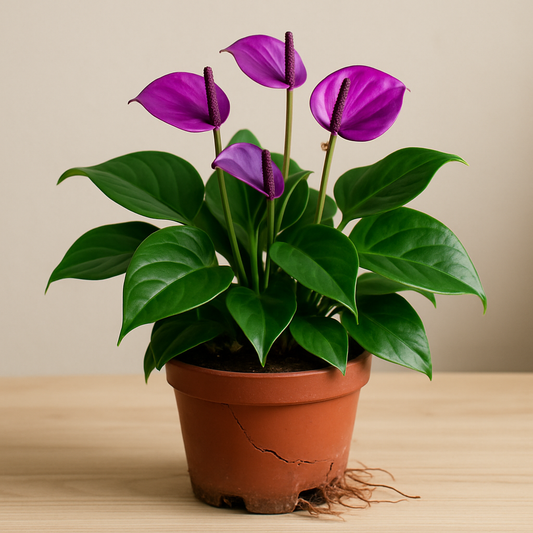
Recognizing the signs a plant needs repotting can save it from unnecessary stress or decline. One of the most obvious indicators is seeing roots growing out of the drainage holes at the bottom of the pot or circling the surface of the soil—a clear sign of a root-bound plant. Other red flags include soil that dries out unusually quickly after watering, stunted growth despite proper care, and visible salt or mineral buildup on the soil surface, indicating nutrient depletion (source) (source).
If you notice any of these symptoms, it’s time to inspect your plant closely. Gently slide it out of the pot if possible to check the root system. Addressing these issues promptly through repotting can reinvigorate your plant and prevent long-term damage.
How Do I Choose the Right Pot and Soil for Repotting?
Selecting the appropriate pot and soil is a critical step in successful repotting. When choosing a pot for repotting, opt for one that is only 1–2 inches larger in diameter than the current pot. A pot that’s too large can hold excess moisture, increasing the risk of root rot and hindering growth as the plant struggles to fill the space (source).
Equally important is the type of soil. Always use a high-quality potting mix tailored to your plant’s specific needs—succulents, for instance, require well-draining soil, while tropical plants may need a richer blend. Avoid reusing old soil unless it has been sterilized or rejuvenated, as it may lack essential nutrients or harbor pests (source).
Tips for Selecting the Right Pot
Drainage holes are non-negotiable for most plants, as they prevent waterlogging, a common cause of root issues. If you fall in love with a decorative pot without holes, consider using it as a cachepot with a functional inner pot. Additionally, think about the pot material: plastic retains moisture longer, which suits plants needing consistent hydration, while terracotta wicks away water, ideal for succulents or overwater-prone species. Ceramic pots offer a middle ground but can be heavier and less forgiving if the plant gets stuck during removal.
How Do I Repot a Plant Without Damaging It?
Learning how to repot a plant properly ensures minimal damage and a smooth transition. Follow this step-by-step guide for best results:
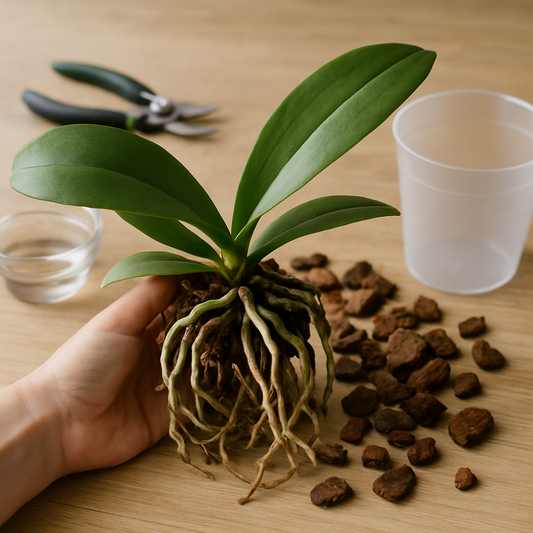
- Remove the plant from its current pot: Turn the pot sideways, hold the plant gently by its base, and tap or squeeze (if plastic) to loosen the root ball. For stubborn ceramic pots, slide a thin knife around the edges to release the soil without cutting roots (source) (source).
- Loosen the roots: Gently tease apart the roots, especially if they’re tightly bound.
- Remove old soil: Shake off or brush away about a third of the old potting mix to make room for fresh soil.
- Prepare the new pot: Add a layer of new potting mix to the bottom of the pot.
- Position the plant: Center the plant in the new pot and fill around it with fresh mix, tamping gently to eliminate air pockets.
- Water thoroughly: Give the plant a good soak to settle the soil and help it adjust (source) (source) (source).
Should I Loosen or Trim the Roots?
Loosening the roots is often necessary, particularly for root-bound plants, to encourage them to spread into the new soil and promote healthy growth. Use your fingers to gently untangle the roots. If you encounter long, threadlike roots, it’s safe to trim them slightly, but avoid cutting the thicker, structural roots near the base of the plant, as they are critical for stability and nutrient uptake (source) (source).
Does Repotting Stress My Plant, and How Can I Help It Recover?
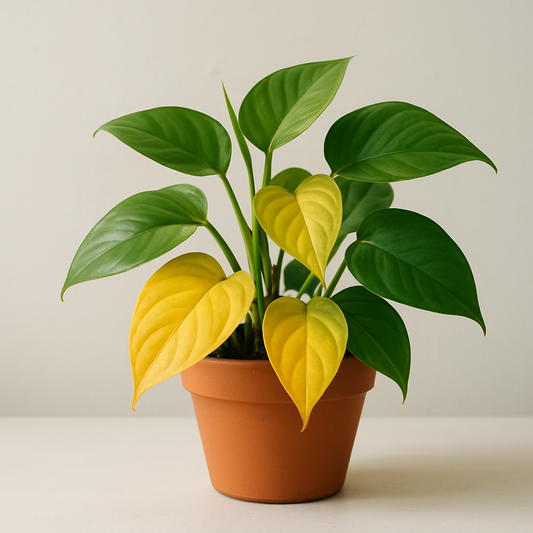
Repotting plant stress is a real concern, as disturbing the roots can shock the system, especially if a significant portion of the root ball is affected. Plants may show temporary signs of distress, such as wilting or yellowing leaves, after the process (source).
However, you can minimize this stress by timing the repotting correctly—stick to early spring or late autumn when the plant isn’t in peak growth or dormancy. Post-repotting care is equally important: water the plant thoroughly to help the soil settle, and place it in a spot with indirect light for a few days to avoid additional strain from harsh sun. Most plants recover well within a week or two if given the right conditions and care (source).
Common Mistakes to Avoid When Repotting Plants
Even with the best intentions, repotting mistakes can hinder your plant’s recovery. One frequent error is choosing an oversized pot. A pot that’s too large retains more water than the roots can absorb, leading to soggy soil and potential root rot (source).
Timing is another pitfall—repotting in the dead of winter or during a scorching summer can amplify stress, as plants are less equipped to adapt during extreme conditions (source). Finally, skipping the post-repotting watering step is a critical oversight. Watering helps settle the soil and supports the plant’s adjustment to its new environment, so don’t neglect this step (source).
Mastering Repotting for Thriving Plants
Repotting plants is an essential practice for maintaining vibrant, healthy houseplants, and mastering the timing and techniques outlined in this repotting plants guide can make all the difference. By understanding when to repot, recognizing the signs your plant needs a new home, and avoiding common mistakes, you set the stage for thriving greenery. Keep a close eye on your plants for cues, and follow the actionable steps provided to ensure success. Have a repotting story or additional questions? Share your experiences in the comments below—we’d love to hear from you!