
Welcome to the world of Calathea Concinna 'Freddie', a mesmerizing houseplant often known as the Peacock or Zebra Plant due to its uniquely patterned foliage. If you're considering bringing one of these botanicals into your home or already have, you're likely enchanted by its stunning leaf patterns. However, keeping this beauty alive and thriving requires some specific care. Fret not, as we're here to help you with everything you need to know to ensure your Calathea Concinna 'Freddie' remains radiant and healthy.
Watering Your Calathea Concinna 'Freddie'
Calathea Concinna 'Freddie' is a plant that values consistency in watering. Aim to keep the soil evenly moist but not soggy. Water your plant once a week, allowing approximately the top inch of soil to dry out between waterings. Consider using distilled or rainwater, as tap water with high mineral content can lead to leaf browning. During cooler months, reduce watering frequency to avoid waterlogging. Always ensure your pot has adequate drainage to prevent root rot.
Soil Requirements
Your Calathea Concinna 'Freddie' prefers a rich, organic potting mix that offers both good aeration and moisture retention. An ideal blend would include peat moss, perlite, and pine bark. You can also add a bit of charcoal to help filter impurities from the water and maintain soil health.
Light Requirements
This stunning plant thrives in environments with bright, indirect light. Too much direct sunlight can scorch the leaves, while insufficient light may dull the leaf colors. An east-facing window is perfect as it provides morning sunlight without the intense midday rays. If your home lacks natural light, consider using a grow light to supplement its needs.
Temperature and Humidity
Calathea Concinna 'Freddie' prefers a warm environment with temperatures between 65-80°F (18-27°C). Avoid placing it near drafts or sudden temperature changes. High humidity is also crucial. Aim for humidity levels of 50-60%, which can be achieved using a humidifier or by placing a tray of water with pebbles near the plant. Regular misting also benefits its lush foliage.
Feeding and Fertilizing
Feed your Calathea Concinna 'Freddie' with a balanced, water-soluble fertilizer every four weeks during the growing season (spring and summer). Dilute the fertilizer to half the recommended strength to avoid burning the plant roots. Reduce feeding frequency during fall and winter when growth slows.
Pruning and Maintenance
To keep your plant looking its best, prune away any yellow or brown leaves using clean, sharp scissors. Wipe the leaves occasionally with a damp cloth to remove dust and allow optimal photosynthesis. Regular upkeep ensures your Calathea remains healthy and vibrant.
Common Issues and Solutions
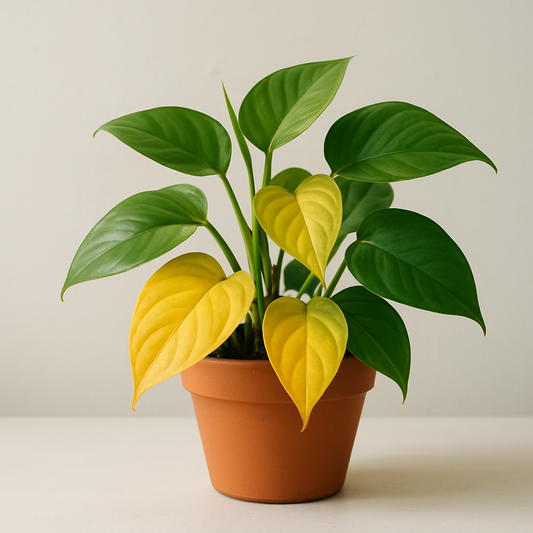
Brown edges or leaf tips typically indicate low humidity or hard water. Increase humidity and switch to distilled or rainwater to resolve this. Yellowing leaves may be a sign of overwatering, so adjust your watering schedule accordingly. Ensure your plant isn't plagued by fungal diseases by keeping water off the leaves.
Common Pests
Keep an eye out for pests like spider mites, aphids, and scale insects. Regularly inspect the undersides of the leaves. If you notice any infestations, treat your plant with insecticidal soap or neem oil. Early detection and treatment are vital to prevent damage.
Propagation Tips
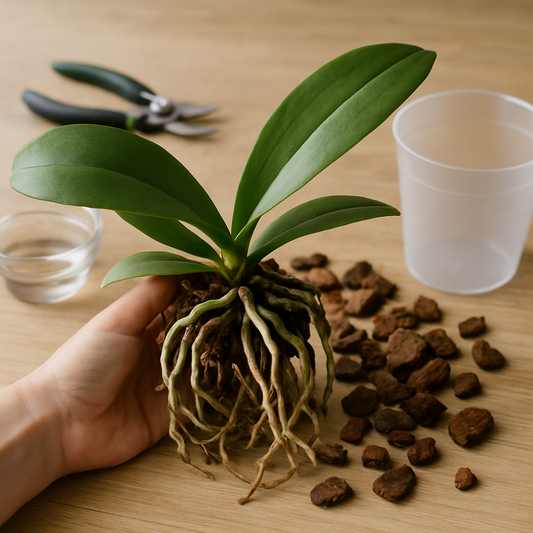
Propagation of Calathea Concinna 'Freddie' is best done through division. In early spring, carefully separate a healthy section of the plant with roots from the main plant. Plant this division in fresh soil, water well, and place it in indirect sunlight. Ensure each division has at least a couple of leaves and a good root structure.
Overwintering
In winter, your Calathea's needs will slightly decrease. Place it away from cold drafts and radiators. Reduce watering and feeding to accommodate slower growth. Maintain humidity and light conditions as consistent to warmer seasons.
Transitioning Between Indoor and Outdoor
Calathea Concinna 'Freddie' prefers staying indoors year-round. However, if you wish to give it some fresh air exposure during warm months, place it in a shady area outdoors where it's shielded from direct sun and strong winds.
Indoor Care
As an ideal indoor plant, ensure your Calathea 'Freddie' is placed where it receives adequate light but no harsh, direct rays. Use a humidity tray or group plants together to maintain a humid environment.
Outdoor Care
If placed outdoors, ensure it's in a shaded, moist area protected from wind and sun. Its outdoor care is akin to its indoor requirements, factoring in additional risks posed by natural elements.
How to Grow Calathea Concinna 'Freddie' From Seed
Growing from seed is rare for this plant and not recommended due to its slow germination and finicky nature. Propagation via division is a more reliable method.
Special Care Tips
To accentuate its leaf coloring, ensure consistent care throughout its lifecycle. Consider installing a small indoor fountain nearby to boost humidity and create a serene environment. If your plant appears stressed, reassess its environmental conditions promptly.
Design Ideas
With its stunning foliage, the Calathea Concinna 'Freddie' is perfect as a statement plant in any room. Pair it with contrasting, lighter-toned plants such as the Peace Lily or the Snake Plant to highlight its vibrant patterns. Place it in a decorative pot atop a plant stand for a striking display. It's recommended to position it in living rooms or home offices where you can enjoy its beauty daily.
Whether you're a seasoned plant enthusiast or a curious beginner, learning more about the Calathea Concinna 'Freddie' can immensely enrich your plant care experience. This captivating plant can become a true testament to your botanical skills and elevate your indoor décor with its extraordinary charm. Begin your journey to lush, healthy foliage today!